
Tackling Flooding and Water Woes Through Innovative Underground Channeling in Paschim Champaran
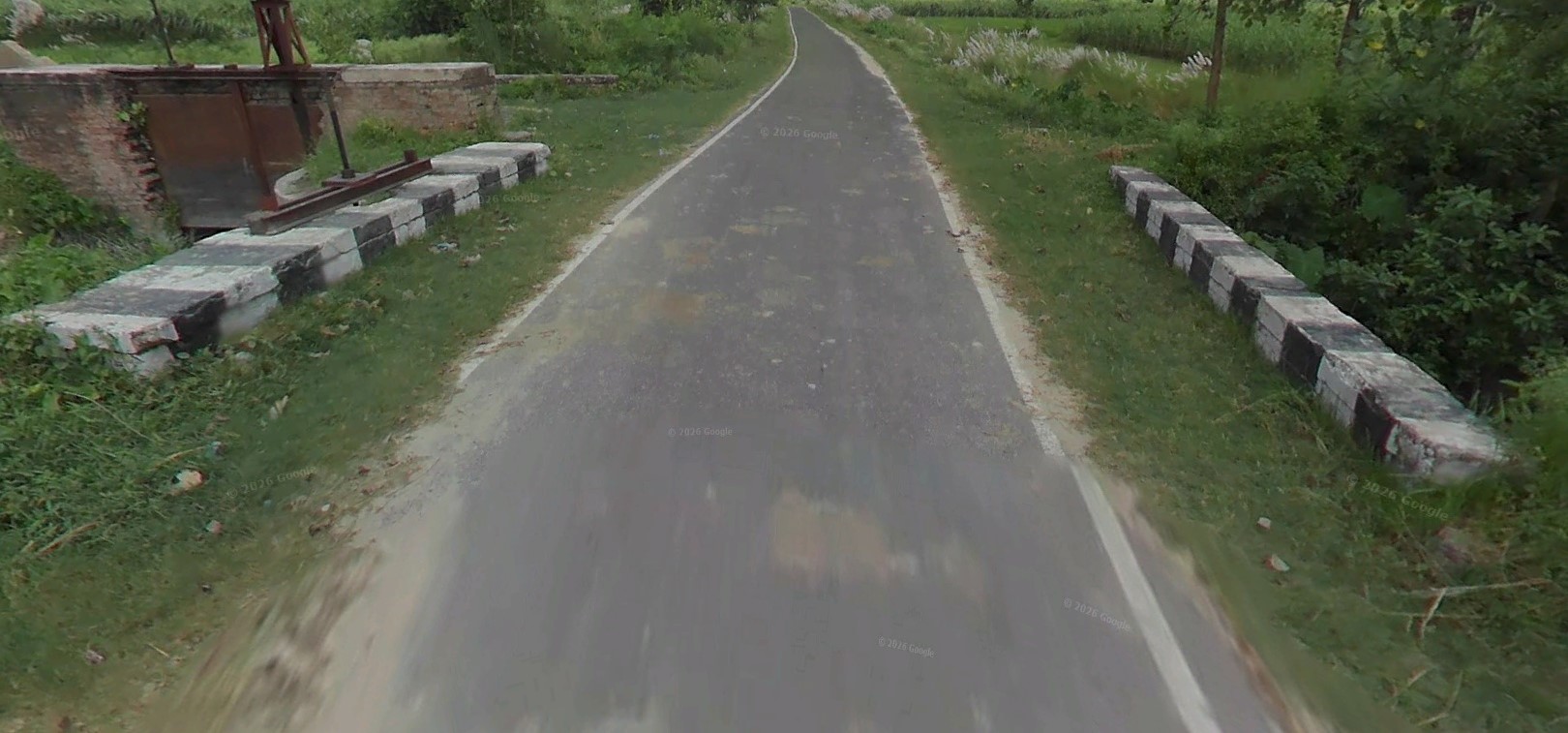
In many cases, water management and road infrastructure plans are not given due attention, leading to situations where post-construction operations reveal room for significant improvement in water and tree management alongside the built structures. A striking example comes from Lal Saraiya village in the Majhauliya block of Paschim Champaran, where irrigation canals managed by the Water Resources Department intersect with a sluice gate. The canal runs longitudinally near a paved road on either side, creating a 90-acre stretch of land between the canal and the road where rainwater drainage is completely choked. The upper catchment area also contributes excess runoff during the monsoon, further delaying drainage and causing waterlogging, crop losses, and increased stress on the roadside infrastructure.
Responding to these challenges, the district administration launched a proactive intervention under the Jal Jeevan Hariyali mission, with financial support from the Mahatma Gandhi National Rural Employment Guarantee Act (MGNREGA). The core objective was to divert the excess rainfall away from the canal and towards a distant water body—an existing lake about 1.5 kilometers away—so that the lake can be replenished during lean water periods and the agricultural fields can be protected from waterlogging.

During the planning phase, the foremost consideration was to preserve the integrity of the Water Resources Department’s canal while safely transporting additional water beyond it. Engineers from the department were consulted, and the decision was made to construct an underground drainage channel beneath the canal rather than disrupting the canal itself. The underground channel was engineered to connect with another drainage channel that ultimately led to the lake.
Implementation involved continuous monitoring at district and block levels to ensure quality and adherence to standards. The project features a 130-foot-long underground channel that connects to a drainage line feeding water into the lake. The total project expenditure amounted to ₹22 lakh. Since its completion, the channel has performed effectively, preventing waterlogging and crop damage during the last monsoon season and contributing to the lake’s replenishment.
 This initiative demonstrates how careful planning, stakeholder collaboration, and sustainable engineering can address water management challenges without compromising existing critical infrastructures. By integrating an underground drainage solution and leveraging nearby water bodies, the Lal Saraiya project offers a replicable model for similar ecologies where drainage, irrigation, and road networks converge.


